How long to allow
Allow 1–2 nights, or a full day combined with an Ajmer stay.
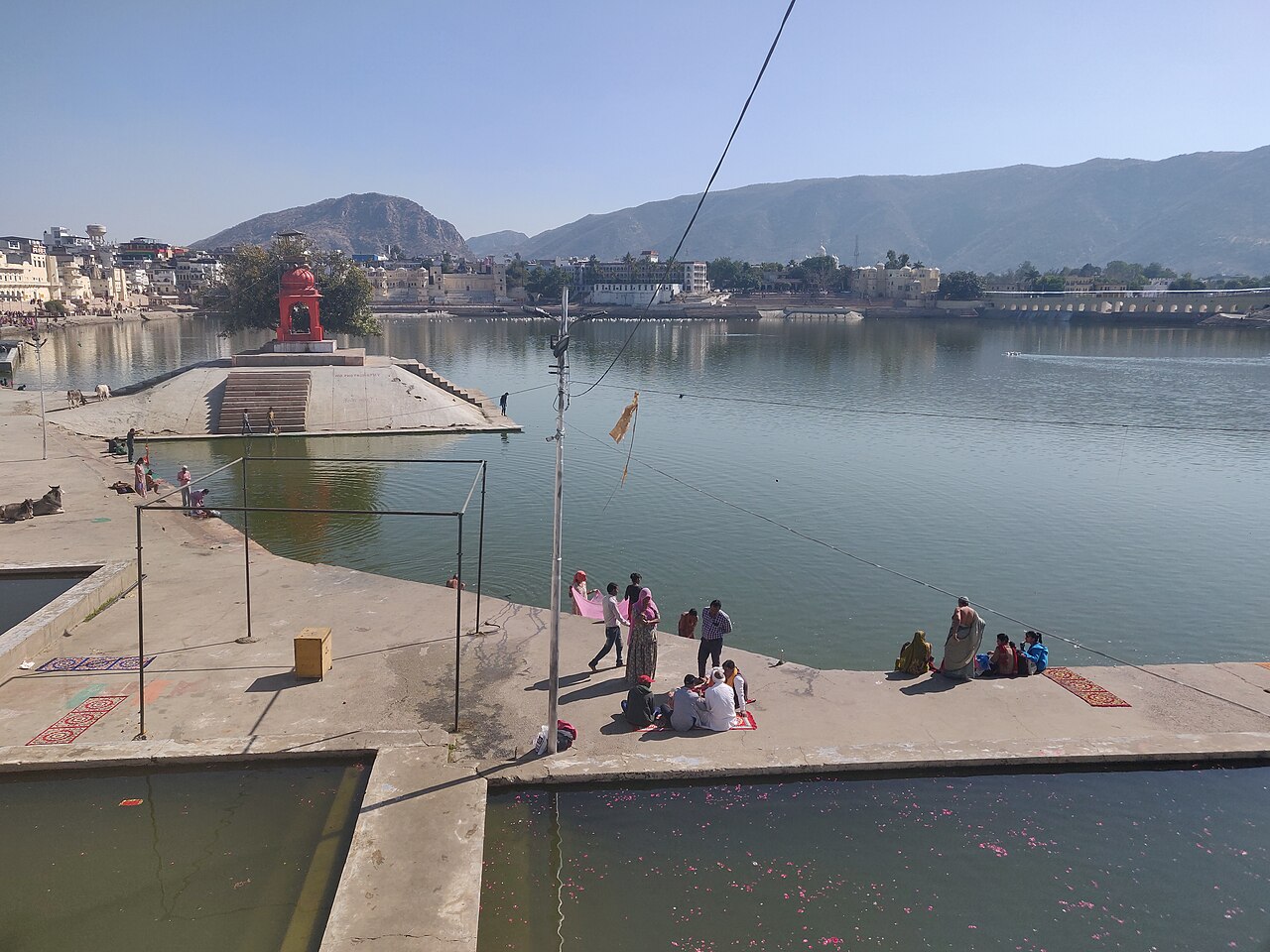
Sacred water. An unhurried town.
Pushkar centres on its sacred lake and temple traditions. A thoughtful visit balances religious spaces, narrow lanes and a slower pace, with respect for the people who come here to worship.
Explore the places ↓Pushkar is a sacred lake town where atmosphere matters as much as the number of sights. The ghats and Brahma Temple invite a respectful, slower visit, while Savitri Temple adds a different viewpoint. Let the day follow local religious customs rather than arranging intrusive photography around worshippers.
Allow 1–2 nights, or a full day combined with an Ajmer stay.
Choose food that respects the town’s religious setting. Clarify any ritual, donation or guiding arrangement before accepting a service.
Walk the central area and arrange transport for your arrival or onward journey. Check the current access options and effort required for hilltop visits.
Stay lengths and tour durations are our planning suggestions. Adjust them for your arrival, interests, mobility and rest time; confirm current access and opening arrangements.
Pushkar is a pilgrimage town whose identity centres on its lake, ghats and temples. Stories linking the lake to Brahma belong to a living religious tradition; they should be understood as sacred narratives rather than archaeological dates. The town is also associated with rose-growing and a major fair tradition. A rewarding visit balances the atmosphere of the waterfront with the everyday shops and lanes beyond it.
Two perspectives on the places and details that give this destination its character. Select a photograph to see it larger.
Photographs show individual scenes, not guaranteed conditions at the time of your visit. Nearby excursions are identified in captions. Images are cropped for this layout; full photographs and licence details are linked above.
Walk the lake edge quietly and ask before photographing rituals; agree any paid guiding or ceremonial service before taking part.
Cooler months generally make fort visits and old-city walks more comfortable. In hotter weather, plan early outdoor visits, shaded breaks and a slower afternoon. Desert and hill destinations can have different evening temperatures; check the forecast for your actual route.
Ask before photographing people or worship. Check steps, walking distances, toilets and vehicle access if these affect your comfort. Agree guide fees and optional activities before starting; choose a few meaningful visits and leave time for food, queues and rest.
Build and save your own journey ↗ · Ask us to tailor a visit to Pushkar ↗
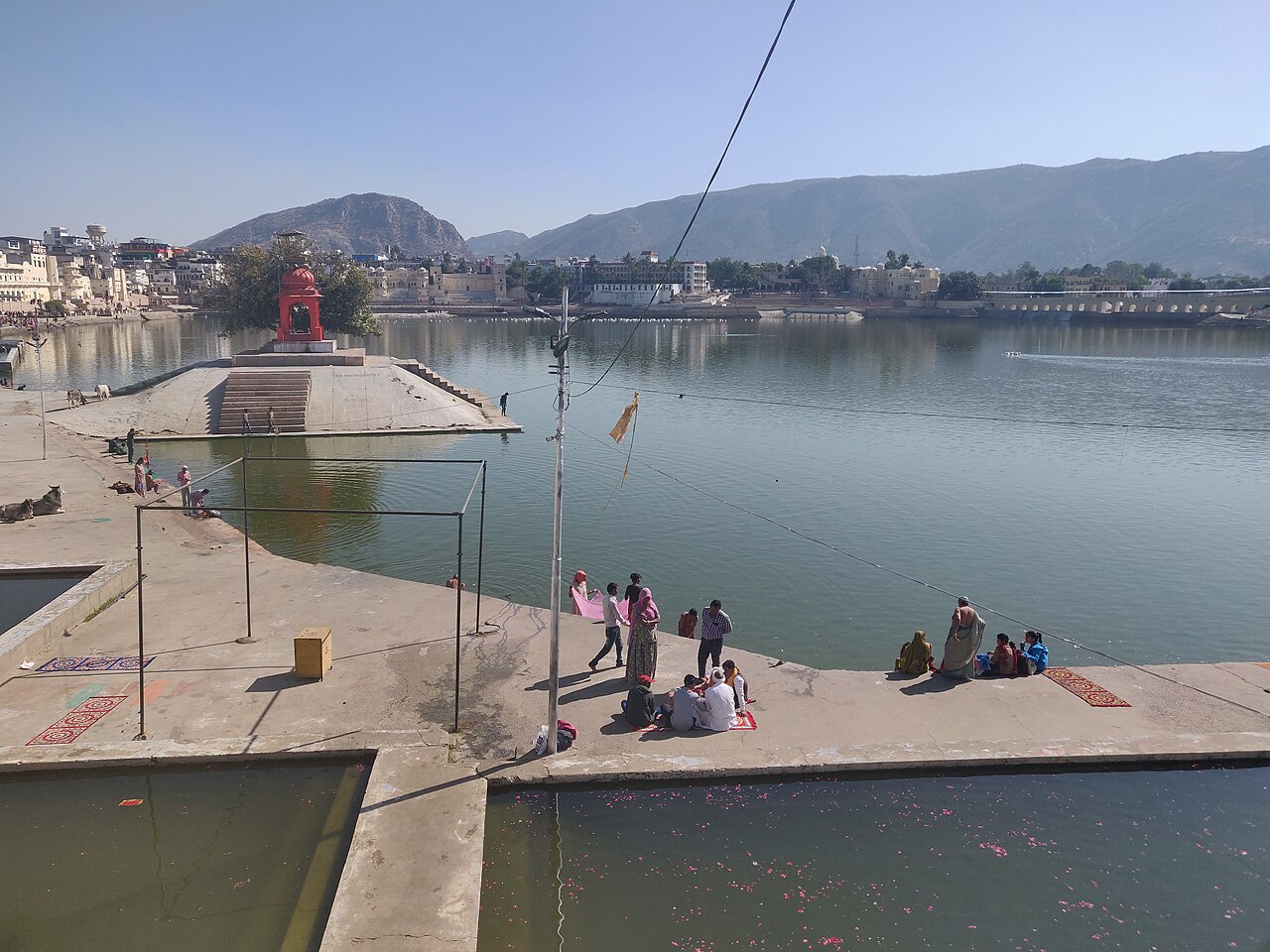
The lake is the spiritual focus of the town. Walk respectfully along permitted areas, observe local customs and avoid photographing rituals without permission.
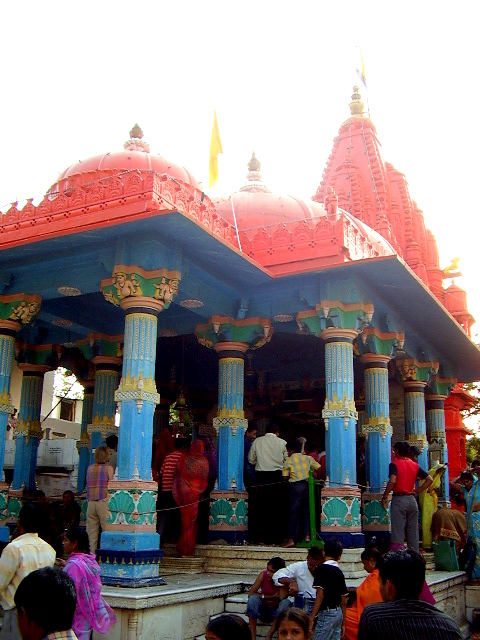
One of Pushkar’s most important shrines, the temple is associated with Lord Brahma. Follow current entry and footwear guidance, and make space for worshippers during your visit.
The hilltop shrine provides another perspective on Pushkar’s landscape. Consider your mobility, weather and available transport before choosing the ascent or any ropeway service.
Begin with the temple and lake, leave time for a relaxed town walk, and treat a hilltop visit as an optional addition.
Agree any guide or ritual-service charges beforehand. Festival and fair periods change the town’s pace and accommodation demand.
Check opening days, access and entry arrangements before travelling. This is inspiration, not a confirmed itinerary.
Explore further: Official destination information ↗
Two starting points for a journey built around you. Ask us to tailor the route, guide, transport and pace—or use these ideas to plan independently. These are suggested routes, not scheduled departures or confirmed bookings. Explore the lake and ghats with a guide who explains local traditions, then visit Brahma Temple subject to access. Any ritual participation remains your choice. Give Pushkar and Ajmer their own sightseeing time, with a comfortable transfer between them. Shape the balance around pilgrimage, architecture and rest. A personalised quote is available on request. Guide language, vehicle, entry tickets, meals, accommodation and pickup are included only when stated in your agreed quote. Extra costs to allow for: airline tickets and other travel to or from the city, unless specifically agreed. Loading city choices… Choose your dates and add this destination to your travel plan. Select a city, meet its character, and open its guide when something draws you in. Pink streets. Palace details. Jaipur is a city to explore at two scales: grand palace façades and the smaller details of courtyards, craft and market life. Choose a few landmarks and leave room between them. A mighty fort above the Blue City. Jodhpur’s drama begins with Mehrangarh rising above the rooftops. Below, historic lanes and quieter monuments offer a more intimate view of the city—best discovered with time for shade and rest. Lake light. Palace silhouettes. Udaipur invites a gentler itinerary: palace architecture, water views and time to watch the city change with the light. It is as much about the pauses as the monuments. Golden stone at the edge of the desert. Jaisalmer’s sandstone streets are best explored with patience. The living fort, carved houses and water-side views make a rich city visit before considering a separate desert excursion. Sacred water. An unhurried town. Pushkar centres on its sacred lake and temple traditions. A thoughtful visit balances religious spaces, narrow lanes and a slower pace, with respect for the people who come here to worship. Desert heritage beyond the familiar route. Bikaner rewards visitors with intricate fort interiors, merchant architecture and distinctive desert traditions. Sacred journeys beside a historic lake. Ajmer blends a major Sufi pilgrimage centre with lakeside scenery and layers of Rajput and Mughal history. A cool pause among lakes and marble temples. Mount Abu offers a hill retreat within Rajasthan, with remarkable Jain temple craftsmanship and relaxed lakeside scenery. A vast hill fort with stories at every turn. Chittorgarh’s great fort contains towers, temples and reservoirs across an extensive plateau. Allow time between monuments and for the stories behind them. Stepwells, painted palaces and quiet lanes. Bundi has a more intimate scale than Rajasthan’s larger cities. Discover palace paintings, historic water architecture and a hillside fort landscape. Fort walls and extraordinary birdlife. Bharatpur offers both fortified heritage and the wetlands of Keoladeo National Park. Keep time for slow observation rather than a rushed wildlife checklist. Fort heritage and a gateway to Ranthambore. Sawai Madhopur is the starting point for exploring Ranthambore’s fort and protected landscapes. Wildlife sightings depend on conditions and are never assured. Palaces at the gateway to the Aravallis. Alwar combines palace architecture, museum collections and lake scenery, with protected landscapes accessible on a separate excursion.Highly customised by Indian Travel HolidayMake more of Pushkar
Pushkar Sacred Lake Walk
Pushkar & Ajmer Cultural Pairing
Explore guided experiences in Rajasthan
Plan a visit ↗Turn inspiration into a journeyMake room for Pushkar.
Choose your next chapterFind your Rajasthan.
 Click for more information ↗Rajasthan · City guide
Jaipur
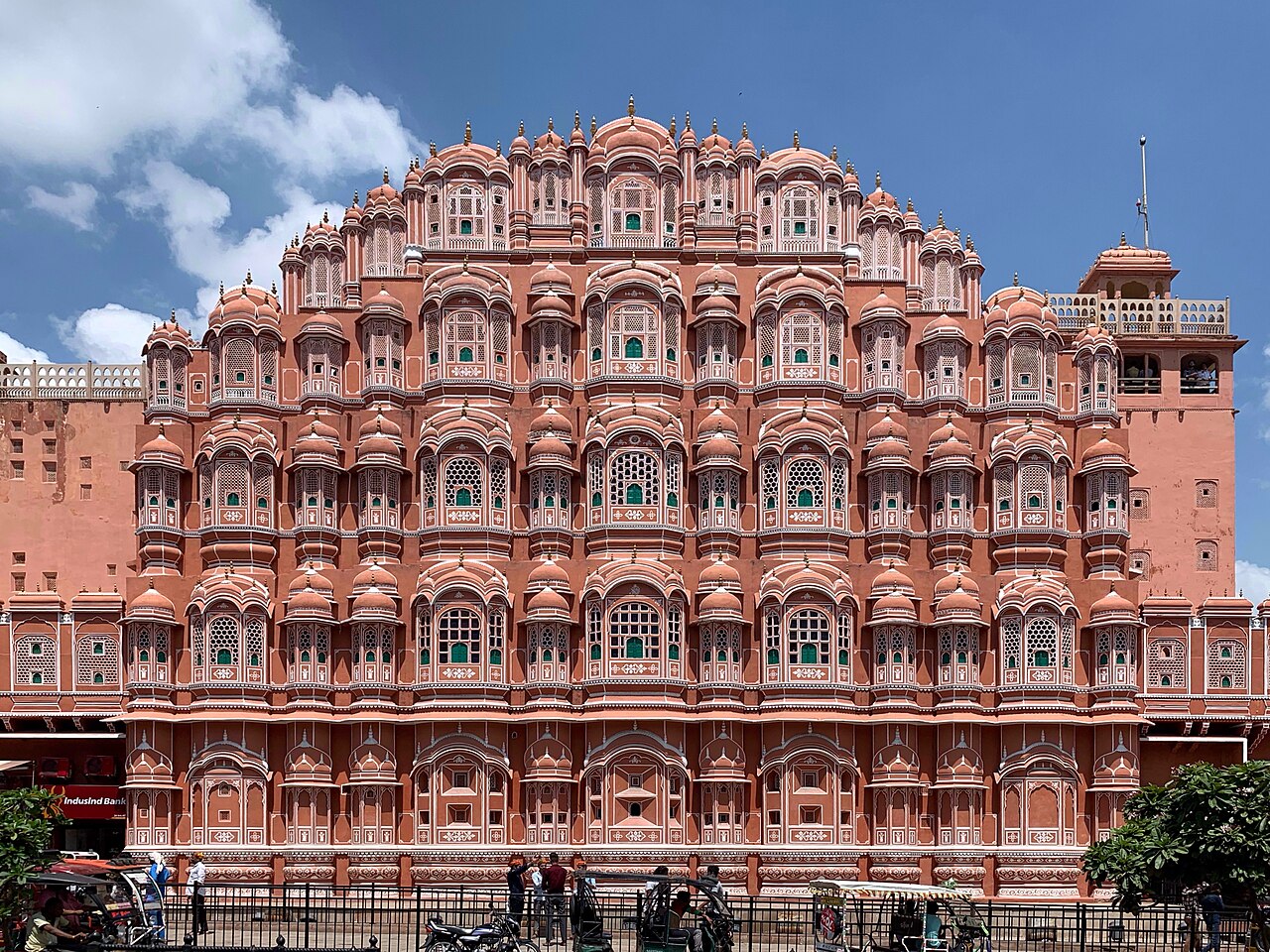
Hawa MahalAmber PalaceCity Palace and Jantar MantarClick for more information ↗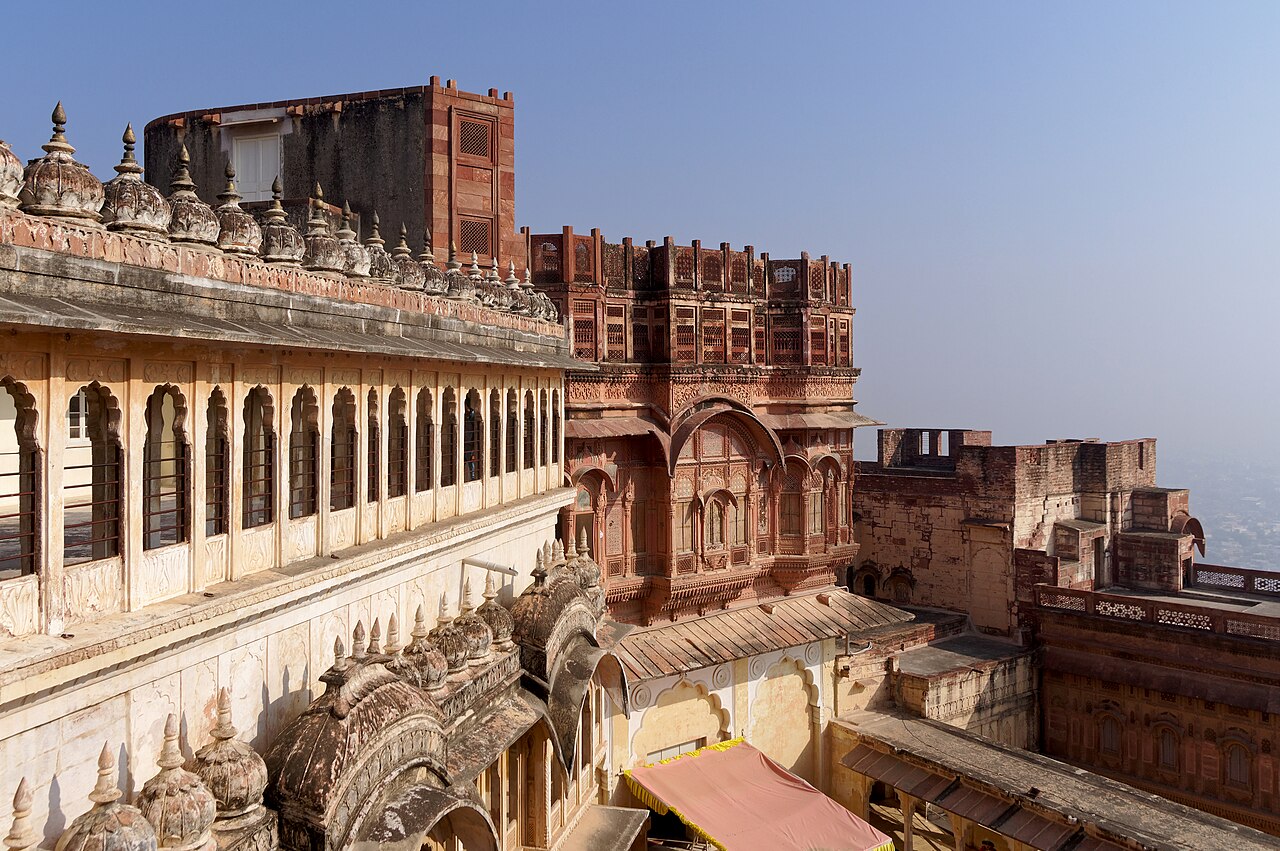 Click for more information ↗Rajasthan · City guide
Jodhpur
Mehrangarh FortJaswant ThadaClock Tower and Sardar MarketClick for more information ↗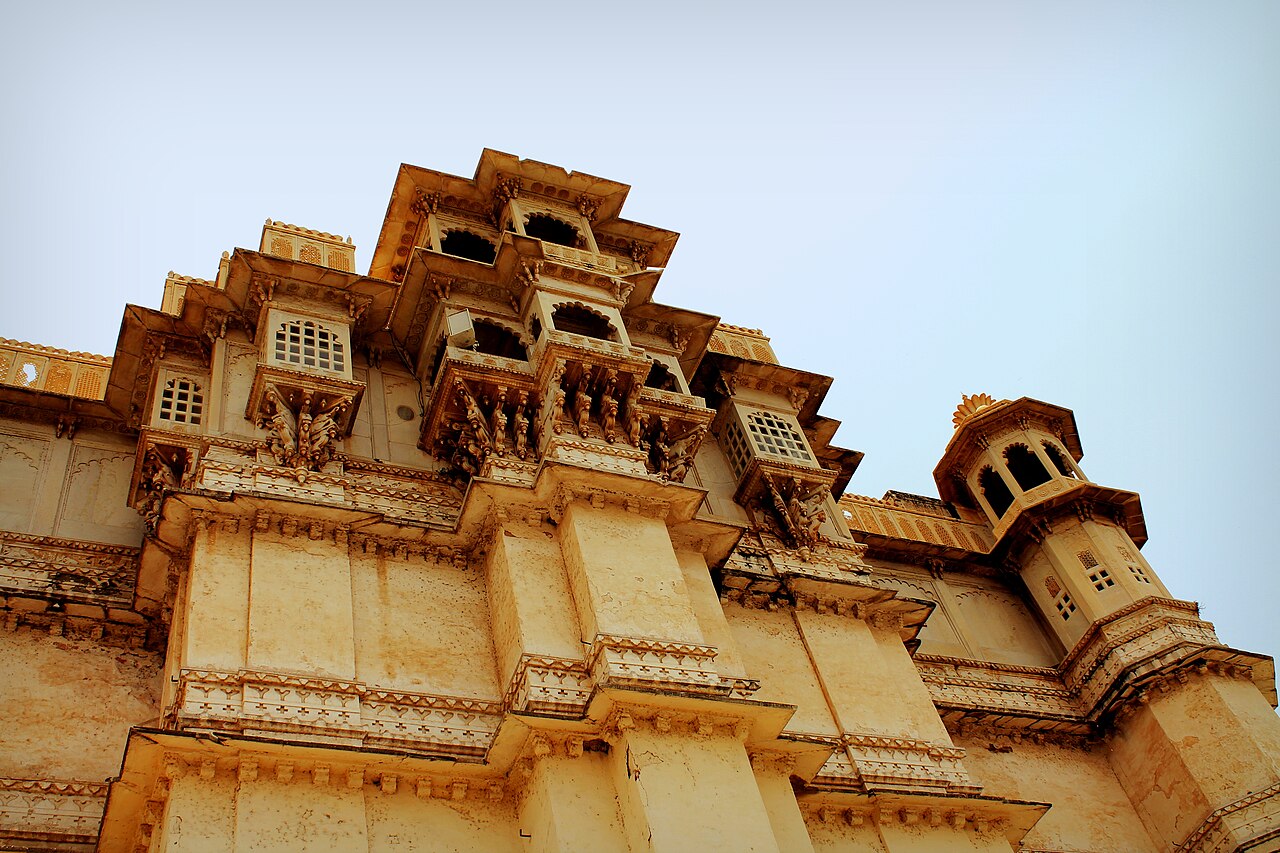 Click for more information ↗Rajasthan · City guide
Udaipur
City PalaceLake PicholaSaheliyon ki BariClick for more information ↗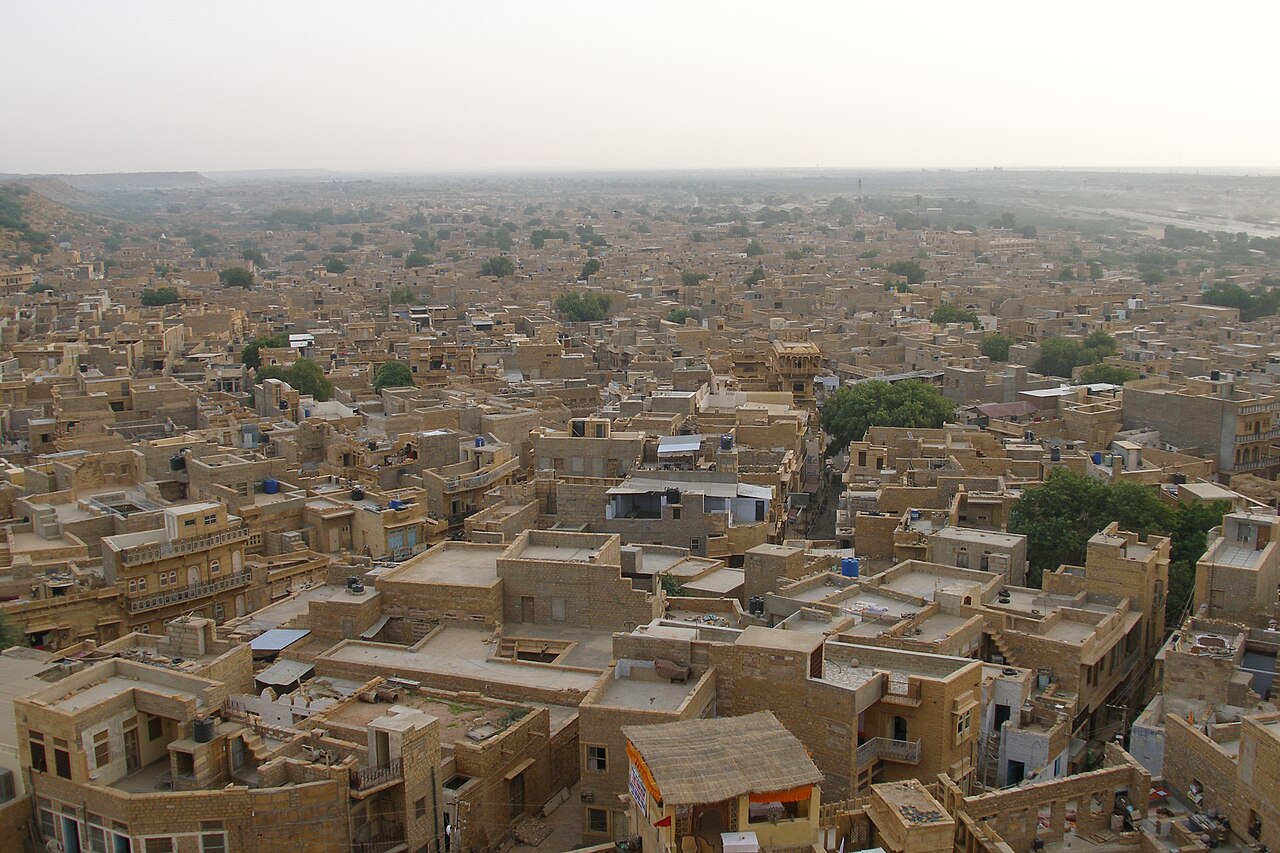 Click for more information ↗Rajasthan · City guide
Jaisalmer
Jaisalmer FortPatwon ki HaveliGadisar LakeClick for more information ↗Click for more information ↗Rajasthan · City guidePushkar
Pushkar Lake and ghatsBrahma TempleSavitri TempleClick for more information ↗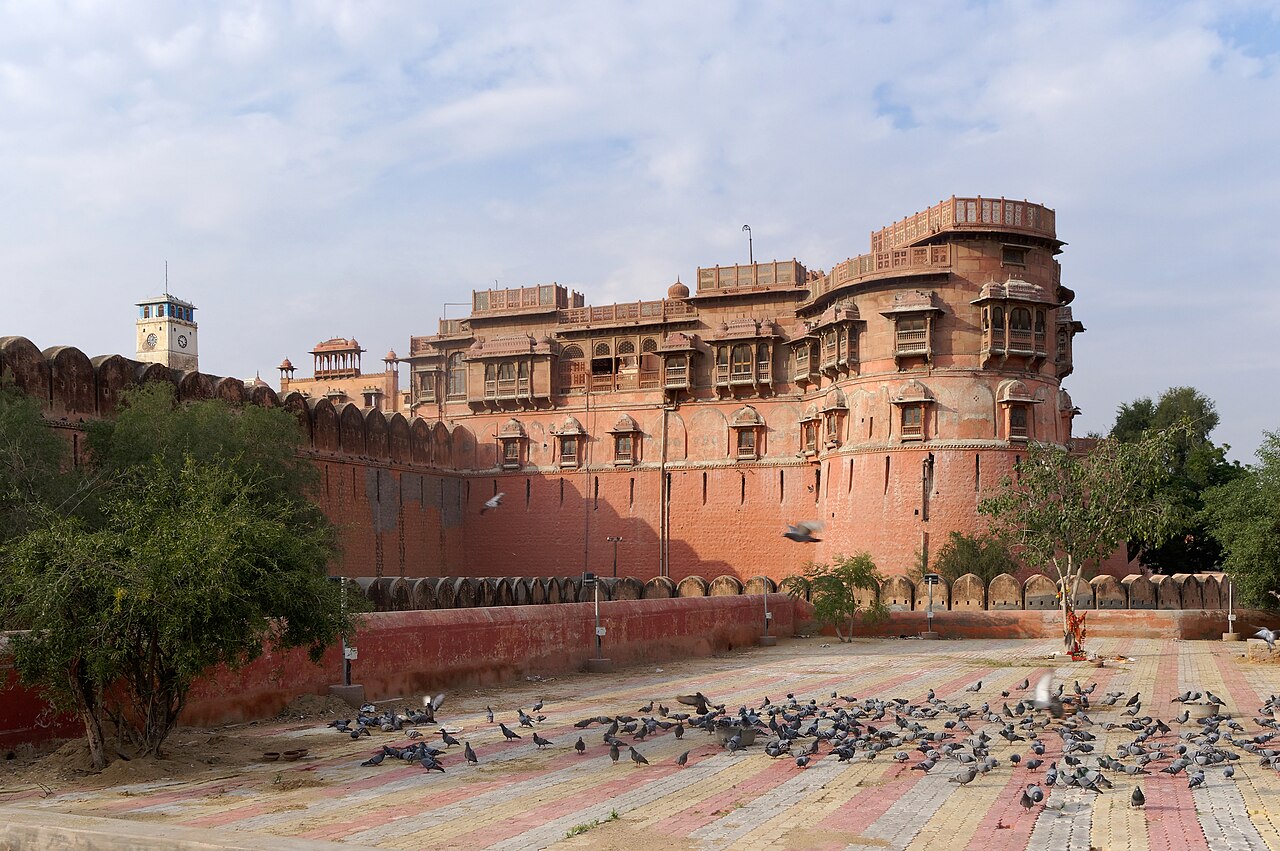 Click for more information ↗Rajasthan · City guide
Bikaner
Junagarh FortKarni Mata Temple, DeshnokLalgarh Palace MuseumClick for more information ↗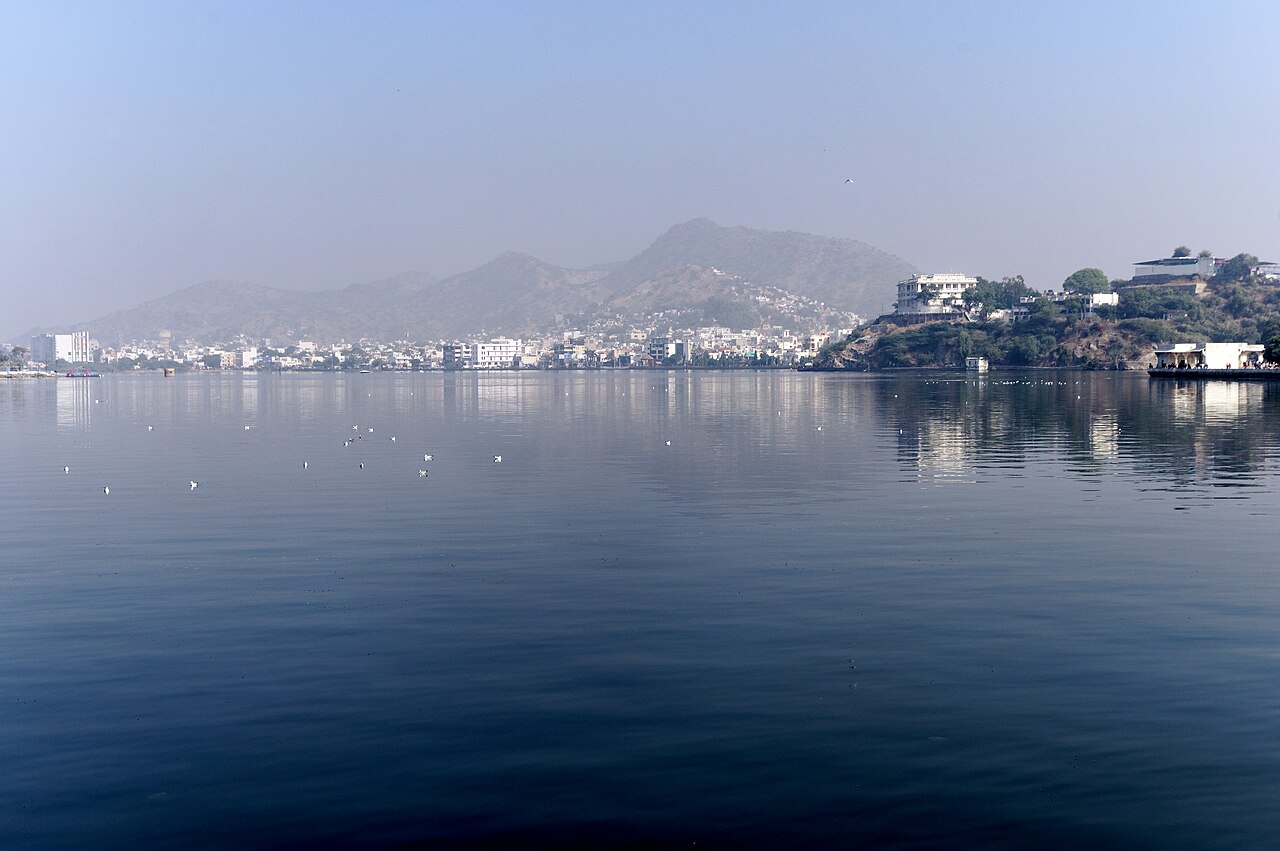 Click for more information ↗Rajasthan · City guide
Ajmer
Ajmer Sharif DargahAna Sagar LakeAdhai Din Ka JhonpraClick for more information ↗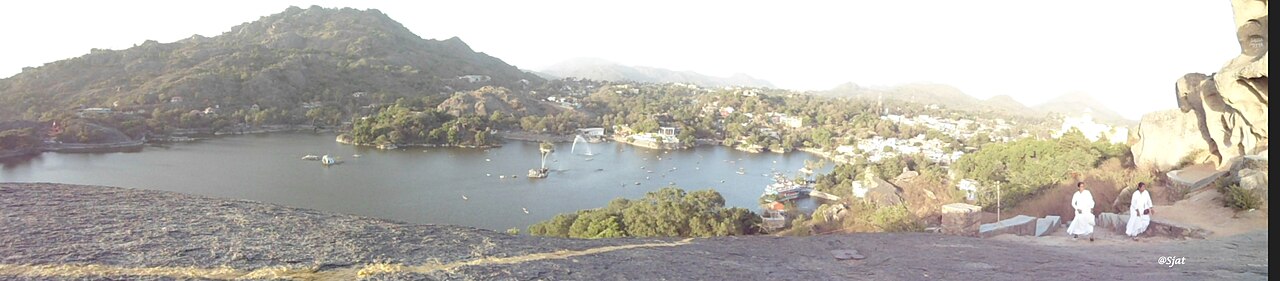 Click for more information ↗Rajasthan · City guide
Mount Abu
Dilwara Jain TemplesNakki LakeGuru ShikharClick for more information ↗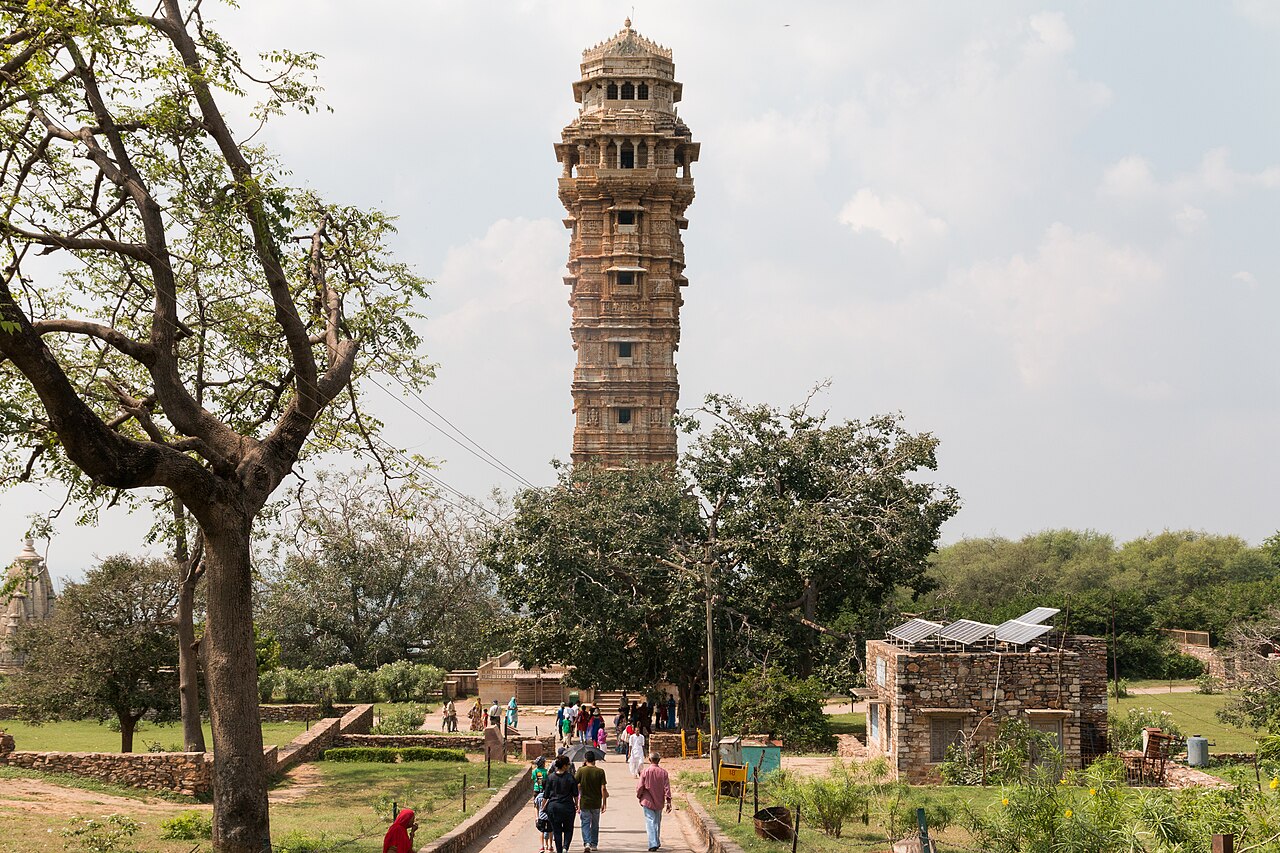 Click for more information ↗Rajasthan · City guide
Chittorgarh
Chittorgarh FortVijay StambhMeera Temple, ChittorgarhClick for more information ↗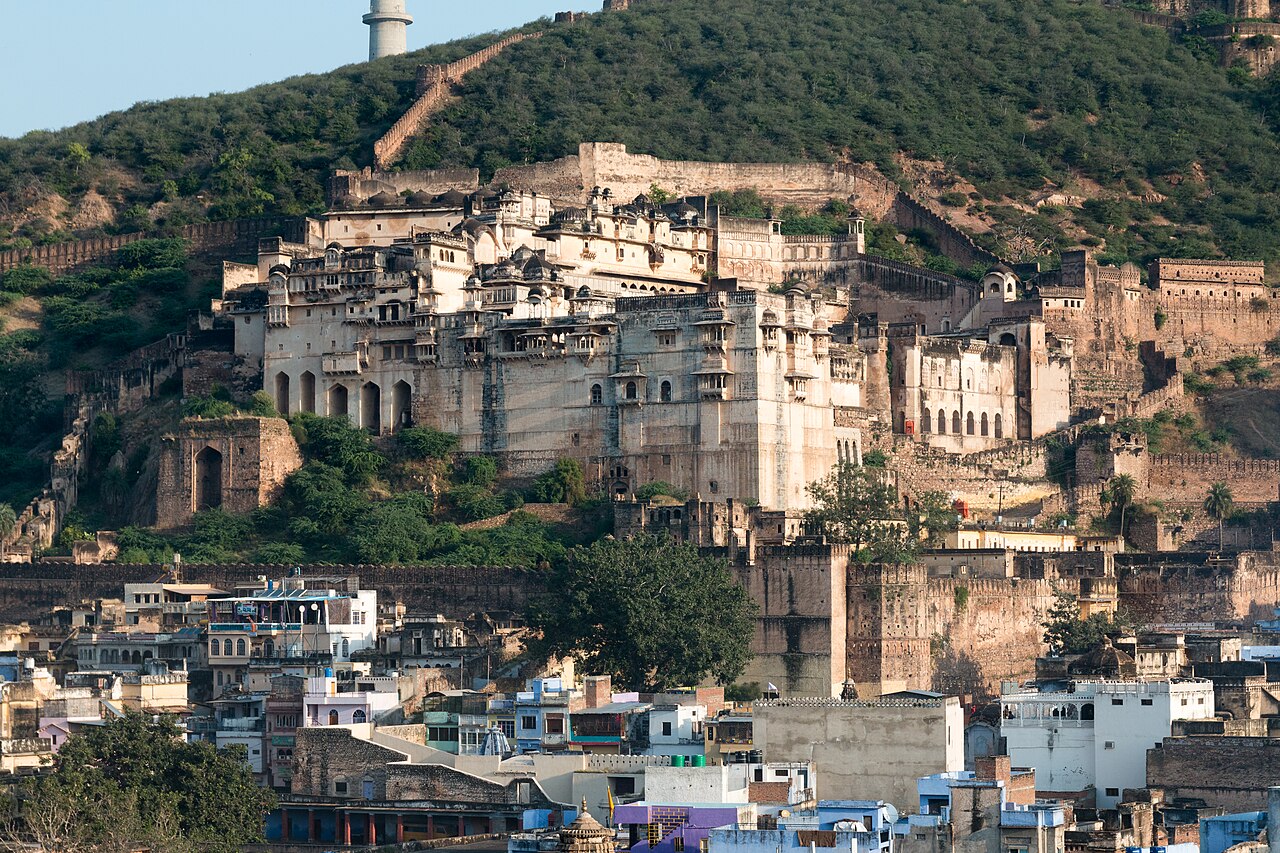 Click for more information ↗Rajasthan · City guide
Bundi
Garh Palace, BundiRaniji Ki BaoriSukh MahalClick for more information ↗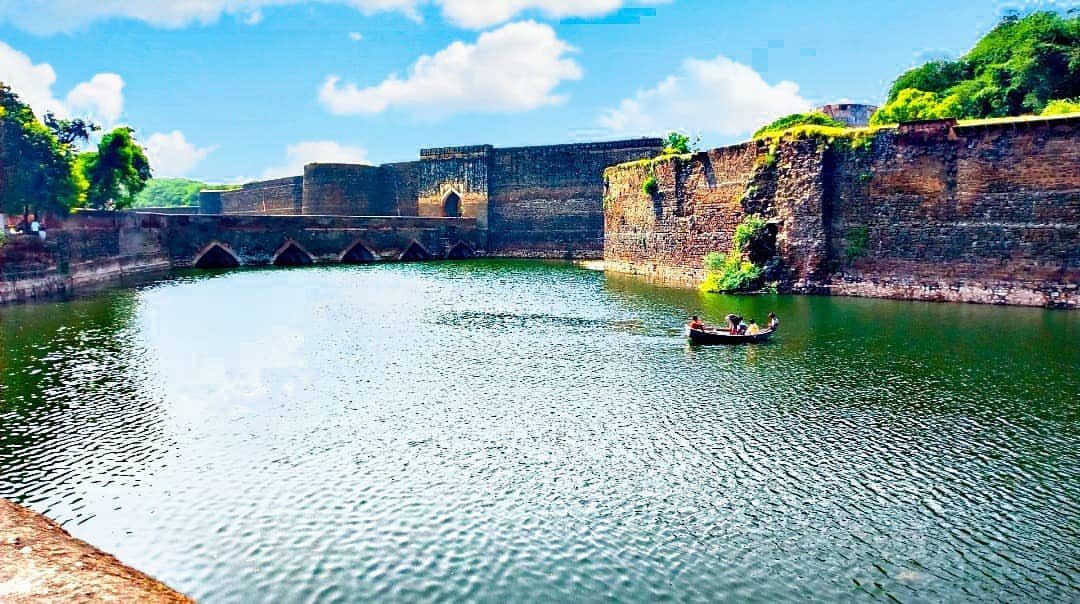 Click for more information ↗Rajasthan · City guide
Bharatpur
Keoladeo National ParkLohagarh Fort, BharatpurDeeg PalaceClick for more information ↗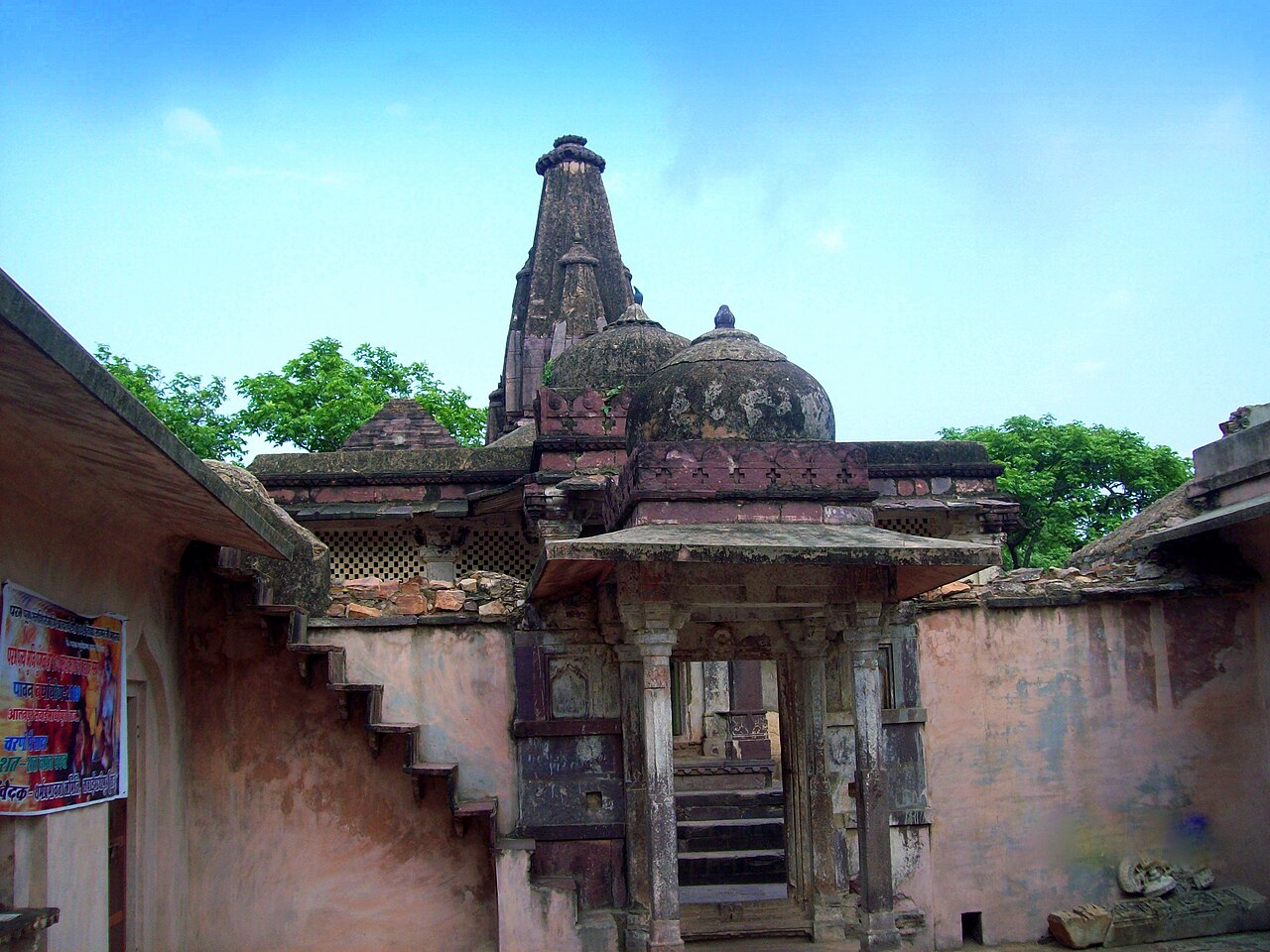 Click for more information ↗Rajasthan · City guide
Sawai Madhopur / Ranthambore
Ranthambore National Park safariRanthambore FortTrinetra Ganesh TempleClick for more information ↗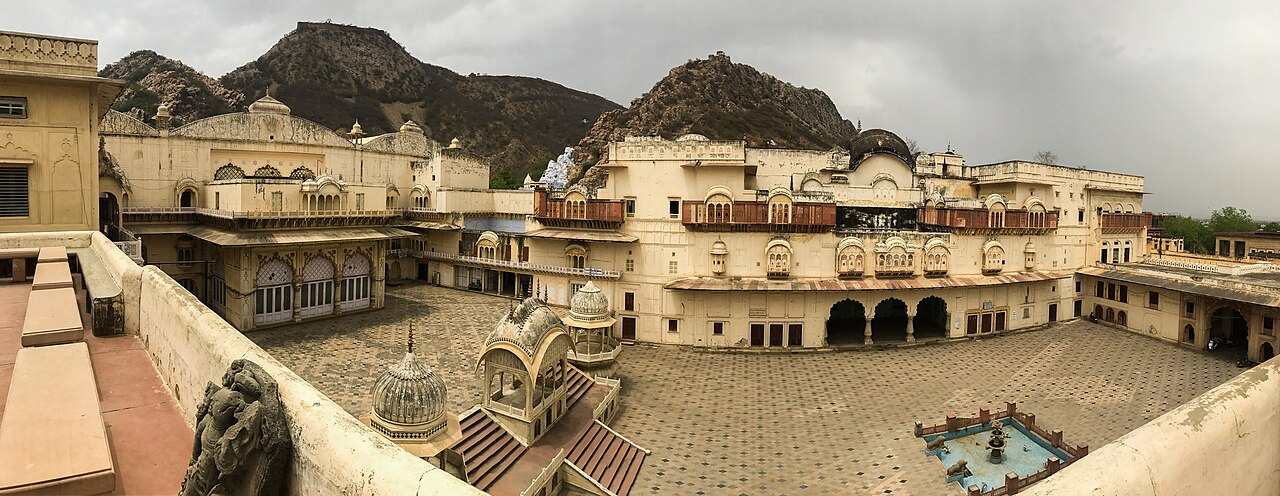 Click for more information ↗Rajasthan · City guide
Alwar
Alwar City PalaceSiliserh LakeSariska Tiger Reserve safariClick for more information ↗
AI-generated welcome · play when you wish
Hello, I'm Gina, your virtual North India travel assistant. Choose a topic below, and let's start planning your journey.